Small Bee vs. Large Bee Honey: The Ultimate Guide to Choti Makhi & Sidr in Pakistan
When you visit an organic food store or browse online for Organic Honey in Pakistan, you are often faced with a confusing choice. You see two jars that look similar but have very different price tags. One is labeled Small Bee Honey (Choti Makhi) and the other Large Bee Honey (Badi Makhi).
Why is one jar Rs 4,800 and the other Rs 3,400? Is one "fake" and the other "real"? Does the size of the bee actually change the taste?
At HTH Organic Foods, we believe in total transparency. In this guide, we break down the science, the tradition, and the taste differences so you can decide which liquid gold is right for your family.

1. What is Small Bee Honey (Choti Makhi)?
Small Bee Honey, locally known as Choti Makhi Ka Shahad, is considered the "Gold Standard" of honey in South Asia. It is produced by a specific species of bee called Apis Florea.
Why is it so Special?
These bees are much smaller than standard honeybees. They prefer the nectar of medicinal plants, most notably the Sidr (Beri) Tree. Because their bodies are smaller, they can access the deeper nectar of smaller flowers.
- The Yield: Small bees produce very little honey. A single hive might only yield a few hundred grams.
- The Harvest: Found in the wild—hidden in bushes or rock crevices in remote valleys like Potohar.
HTH Insight: When you buy our Small Bee Sidr Honey, you are paying for the rarity and the labor-intensive harvest, not just the sweetness.
2. What is Large Bee Honey (Badi Makhi)?
Large Bee Honey is produced by Apis Dorsata (the giant rock bee). These bees are powerhouse workers found on high cliffs or tall trees.
The Daily Superfood
They collect nectar from a wider variety of flowers. While they also feed on Sidr trees, they mix it with other wildflowers, creating a robust and rich honey.
- The Yield: A single large hive can produce 20kg to 50kg of honey!
- The Price: Because the yield is high, the cost per kg is lower, making it an excellent affordable option.
3. The Comparison: Choti Makhi vs. Badi Makhi
| Feature | Small Bee (Choti Makhi) | Large Bee (Badi Makhi) |
|---|---|---|
| Taste Profile | Delicate, smooth, floral | Strong, robust, intense |
| Viscosity | Generally thinner & smoother | Can be thicker & grainier |
| Medicinal Potency | Very High (Concentrated enzymes) | High (General wellness) |
| Harvest | Extremely Difficult (Low yield) | Difficult (High yield) |
| Price | Premium (Rs 4,800/kg) | Affordable (Rs 3,400/kg) |
4. Why is Small Bee Honey More Expensive?
This is the most common question we get on our WhatsApp Support. It comes down to Supply and Demand.
- Scarcity: You need to harvest 10 to 20 small bee hives to get the same amount of honey as ONE large bee hive.
- Medicinal Value: Research suggests Small Bee honey has a higher concentration of invertase enzymes, making it ideal for curing eye infections and stomach ulcers.

5. The Verdict: Which One Should You Buy?
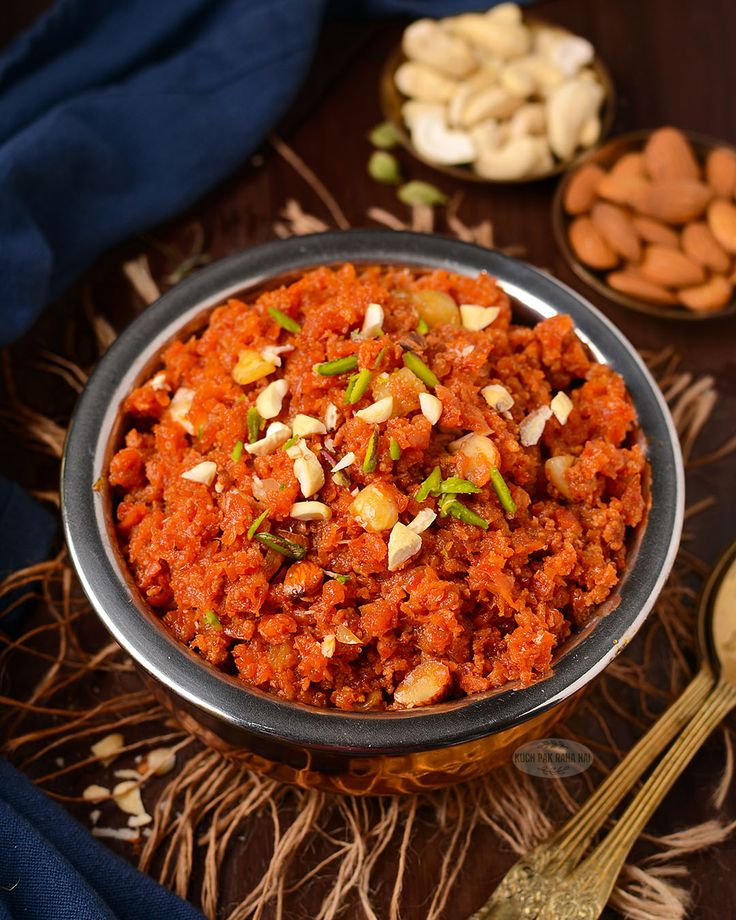
Choose Large Bee Honey If: You are a daily user. It is perfect for sweetening green tea, coffee, or making Carrot Halwa. It provides organic purity at a budget-friendly price.
Choose Small Bee Honey If: You are treating an illness (cough, acidity) or buying for children. Its milder taste and high antibiotic potency make it nature's rarest elixir.
Ready to Taste the Difference?
Order fresh from the HTH Farm today.
Buy Small Bee Honey (Rs 4800) Buy Large Bee Honey (Rs 3400)