Real vs. Fake Desi Ghee: How to Identify the "Danedar" Texture
Every day, thousands of Pakistanis open Google and search for one thing: "Asli Desi Ghee ki Pehchan" (How to identify real Desi Ghee). We search for it because we know the truth—the market is flooded with adulterated products mixed with vegetable oil, animal fat, and artificial scents.
When you are buying something for your children’s bones or your parents' heart health, you cannot afford to take risks. You need assurance. You need purity.
At HTH Organic Foods, we don't just sell ghee; we follow the ancient traditions of the Bilona method. Today, we are going to teach you how to become an expert. Here are the tests, the textures, and the signs that tell you if your Desi Ghee is pure gold or just clever marketing.

1. The "Danedar" Factor: What Does it Mean?
If you ask any grandmother in Punjab what good ghee looks like, she will say one word: "Danedar" (Granular).
🔍 The Science of Grain
Commercial "Ghee" is often smooth and plain like oil. Real Desi Ghee, made from slow-cooking butter (Makhan), develops tiny, sand-like granules as it cools down. This texture is the hallmark of the Bilona Method. If your ghee is perfectly smooth like a lotion, it is likely highly processed.
2. Comparison: HTH Ghee vs. Market Ghee
Not all yellow jars contain the same thing. Here is the difference between HTH Organic Ghee and standard market brands.
| Feature | HTH Desi Ghee | Industrial/Fake Ghee |
|---|---|---|
| Source | Grass-Fed Cow's Milk | Cream + Vegetable Oil Mix |
| Method | Curd -> Butter -> Ghee | Direct Cream Heating |
| Aroma | Rich, nutty, distinct | Artificial butter smell |
| Melting Point | Melts instantly on body temp | Takes time to melt |
3. Three Ways to Test Purity at Home
You don't need a lab. You can perform these simple tests in your kitchen right now.
- The Palm Test: Put a teaspoon of ghee on your palm. Real Desi Ghee melts instantly due to body heat. Vegetable oil (Vanaspati) or adulterated ghee stays solid longer or feels sticky/waxy.
- The Heat Test: Heat a spoon of ghee in a pan. If it melts quickly and turns dark brownish-red, it is pure. If it takes time to melt and leaves a yellow foam, it is likely mixed with chemicals.
- The Fridge Test: Put a bowl of melted ghee in the fridge. If it solidifies into one solid block, it might be mixed with oil. Pure ghee often solidifies with different layers or textures because of the different fatty acids found in natural milk.
4. Why the Search for "Organic" Matters
Why do people go through so much trouble to find [Pure Desi Ghee](#)? It’s not just about taste (though nothing beats a Paratha fried in real ghee!). It is about health.
Fake ghee is full of Trans Fats, which clog arteries and cause heart disease. Pure HTH Ghee is rich in Conjugated Linoleic Acid (CLA), which actually helps reduce bad cholesterol and supports joint lubrication. It is the best fat you can consume for a healthy heart.
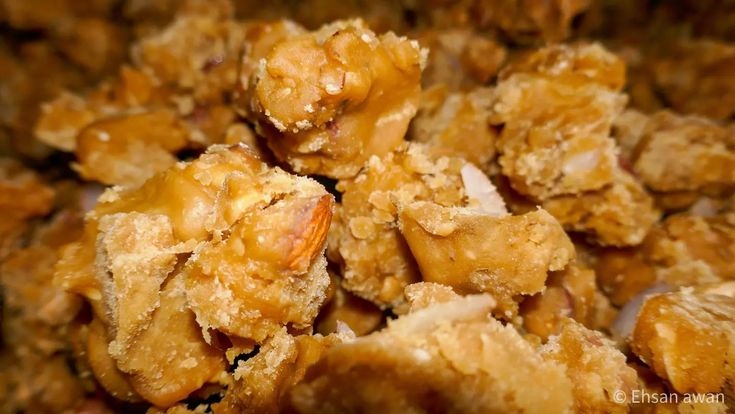
Pair it with our [Dry Fruit Gur](#) for a traditional, iron-rich winter dessert that keeps your body warm.
Conclusion: Trust Your Senses
The next time you open a jar of Ghee, look for the grain (Dana). Smell the nutty aroma. Feel it melt on your skin. If it doesn't feel right, it probably isn't.
At HTH Organic Foods, we have nothing to hide. Our Ghee is made the slow, hard way so that when you search for "Pure," you finally find it.